
Fond du Lac, WI
Roof Ventilation in Fond du Lac, WI
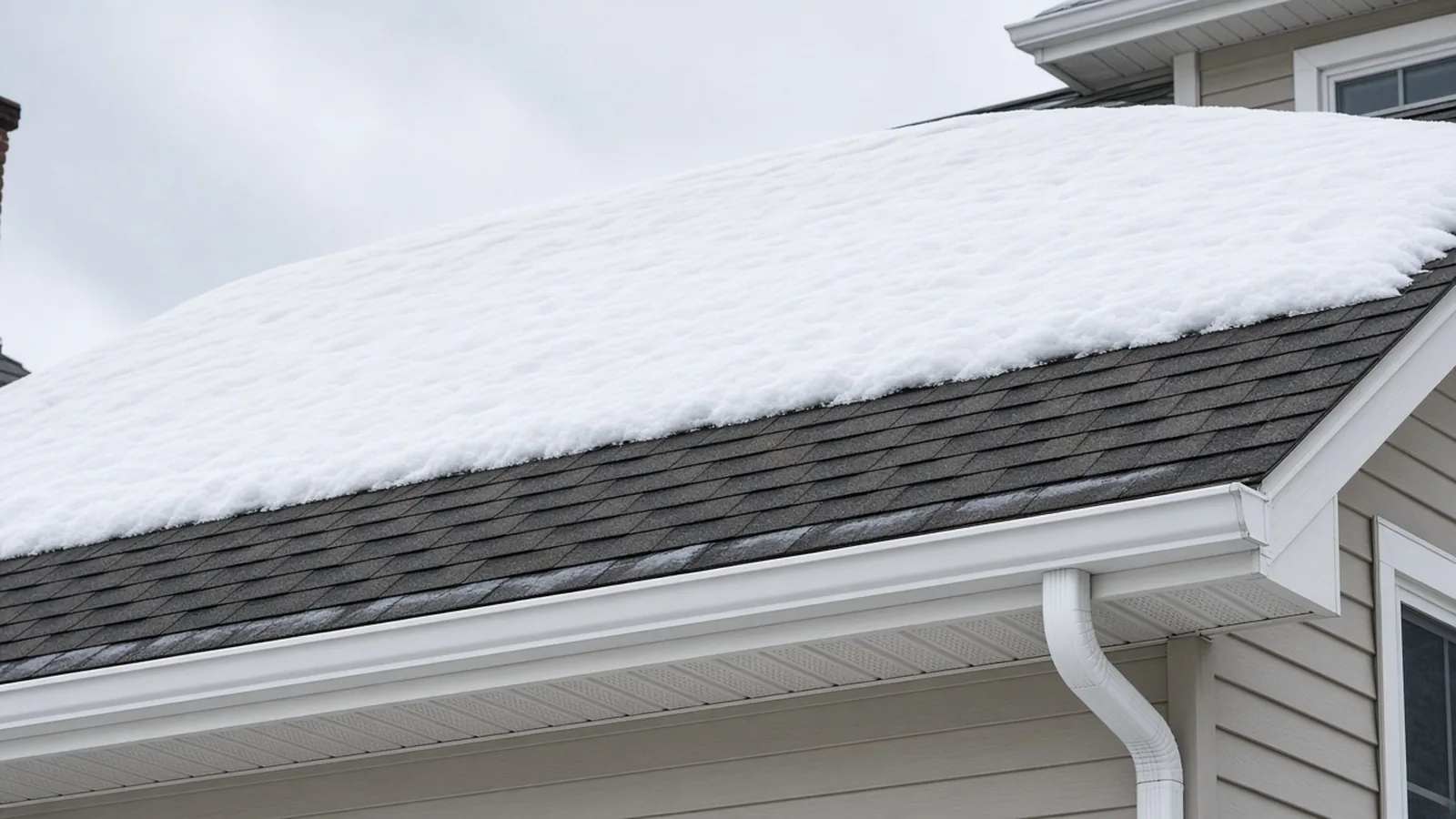
Fond du Lac Roofing Works corrects roof and attic ventilation in Fond du Lac, WI, so winter moisture and heat leave the attic instead of soaking the deck and building ice at the eaves.
- Written, line-item quotes: tear-off, decking, ice barrier, flashing and ventilation
- City of Fond du Lac roofing permits pulled before tear-off starts
- Wisconsin Dwelling Contractor credential verified on the contract
- Ice barrier and cold-weather shingle detailing built for Lake Winnebago winters
Get a Ventilation Quote
Call (920) 325-1234Why Ventilation Matters in Fond du Lac
Fond du Lac Roofing Works installs and corrects roof ventilation in Fond du Lac, WI and in nearby cities including North Fond du Lac, Waupun, Ripon and Plymouth, and in smaller places such as Eden, Mount Calvary and Kewaskum. In a cold climate, a roof deck fails from the inside as often as from the outside. Warm, moist air from the house rises into the attic, condenses or frosts on the cold underside of the deck, and melts snow on the roof above. Call (920) 325-1234, or send the form.
What the Code Says
Wisconsin's Uniform Dwelling Code states the goal directly: design and construction shall prevent deterioration from moisture condensation and ice damming. For a vented attic with air-permeable insulation, at least 50% of the net free vent area goes at the high sides of the roof and the rest in the lower half. When more than 50% but less than 75% is high, the total has to be at least 1/300 of the ceiling area. When 75% or more is high, it has to be at least 1/150. Insulation may not block the free flow of air.
The Climate Behind It
The Fond du Lac station averages 149.1 nights at or below freezing and highs that stay at or below 32°F on 69.9 days. Long cold spells mean the deck stays cold for weeks while the house below stays warm and humid. That is when attic frost builds.
Ventilation Work We Do
Soffit Intake
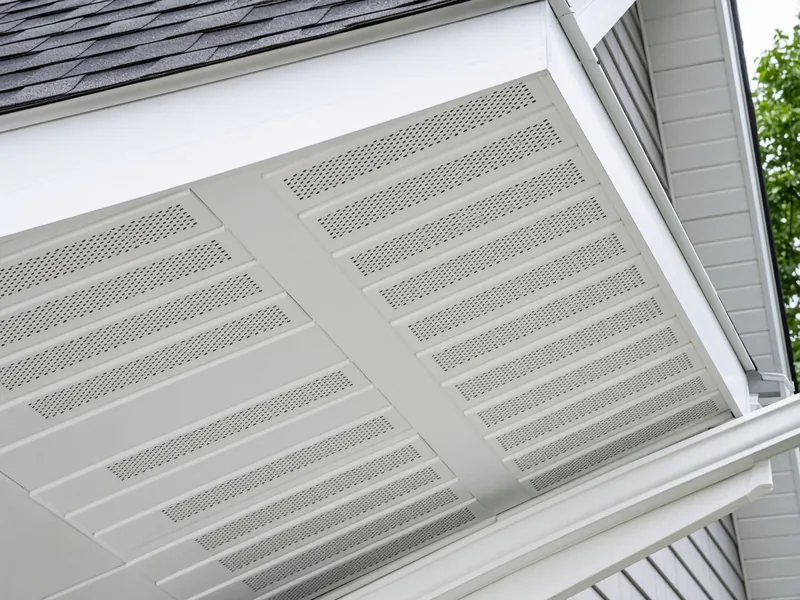
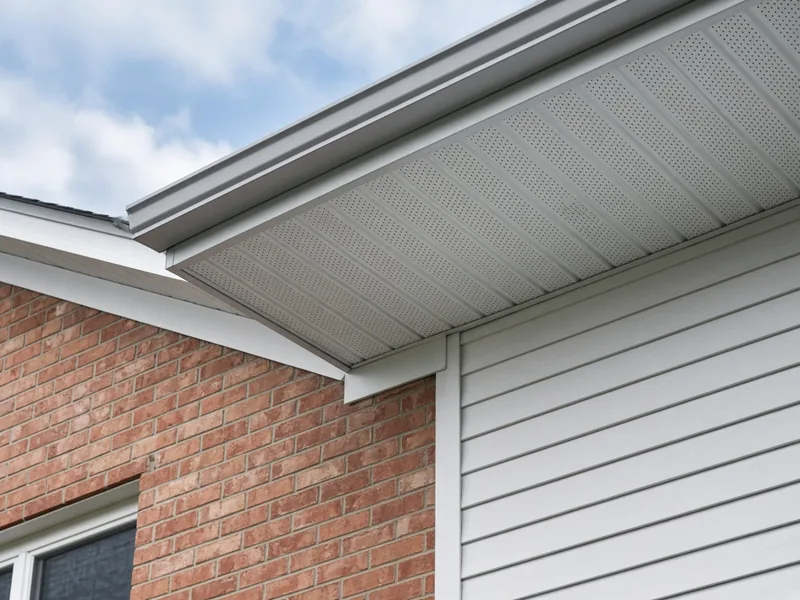
Intake at the eaves is the half of the system that is most often missing or blocked. We open or add soffit vents and install baffles so blown-in insulation does not choke the airway at the top of the wall.
Ridge and High Exhaust
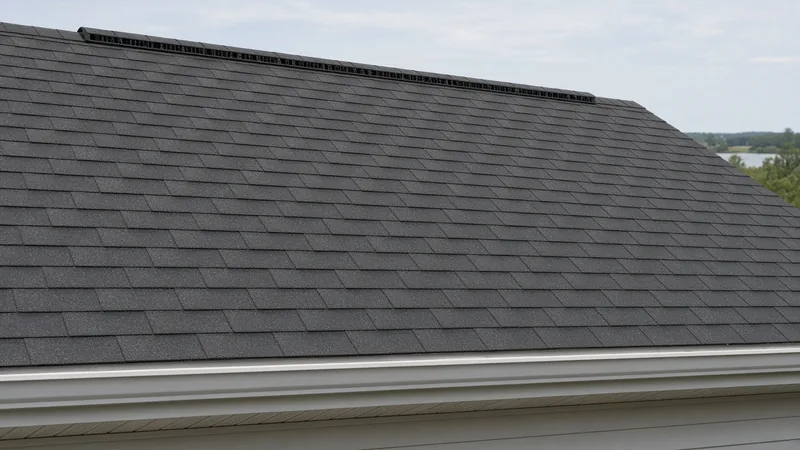
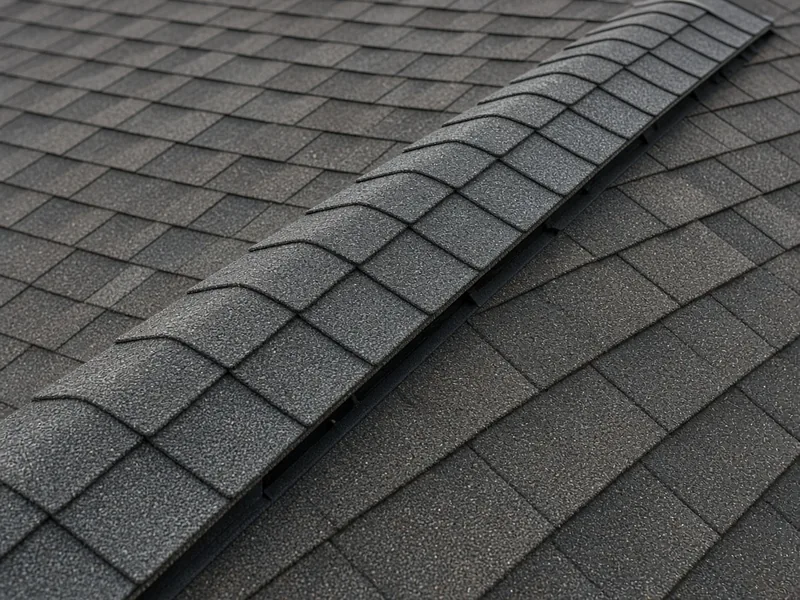
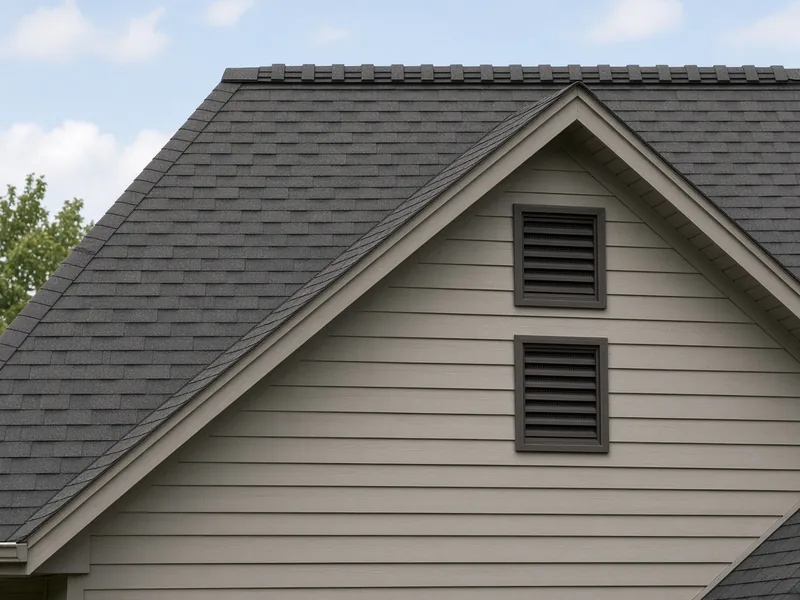
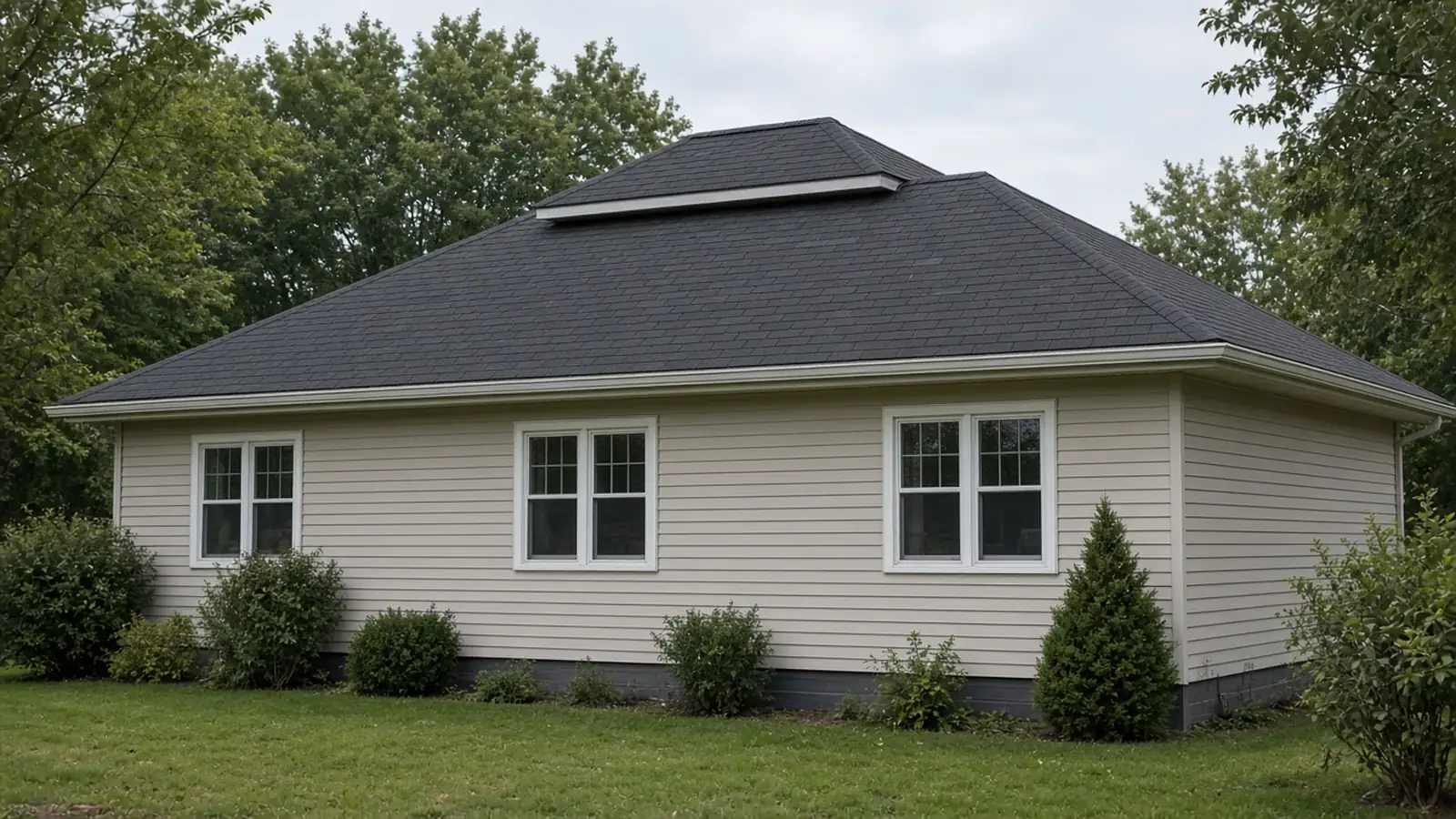
A continuous ridge vent pulls air evenly along the whole peak. On hip roofs and roofs with a short ridge, we use roof vents placed high on the slope. We count the net free area against the ceiling area the code uses instead of adding vents by eye.
Mixed Systems
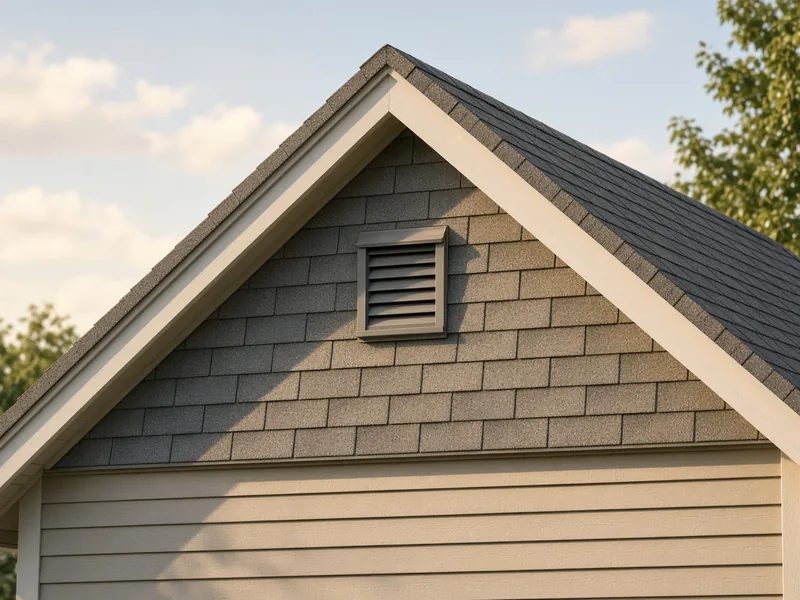
A ridge vent combined with gable vents or a powered fan can short-circuit, pulling air from the nearest opening instead of from the soffits. We look at the whole attic before adding anything and close off vents that work against each other.
Bath Fans and Kitchen Exhaust
Fans that end in the attic, or blow toward a soffit, put moisture exactly where it does the most damage. We run them to proper roof or wall terminations with flashing.
Small Roof Sections
The code says ventilation is not required for separated roof areas such as dormers, bump-outs or bays covering 40 square feet of floor area or less. Cathedral ceilings have their own insulation rule. We tell you which parts of your roof need venting and which do not.
When to Fix Ventilation
The best time is during a roof replacement, when the deck is open and ridge vent slots can be cut cleanly. Ventilation can also be corrected on an existing roof. If ice dams are the reason you are reading this, the ice dam roof repair page covers the rest of the fix, including air sealing.
What It Costs
We do not have a reliable national price source for ventilation work on file, so we will not quote one here. Your written quote lists each vent, baffle and termination with its price.
Signs of a Ventilation Problem
Frost on the Roof Deck
Frost on the underside of the decking or on nail tips in January is the clearest sign that warm, moist air is reaching a cold roof. When it melts, it can drip onto insulation and ceilings.
Ice Dams on the Same Eaves Every Winter
Ice dams that return every winter at the same eaves point to heat in the attic, often from blocked soffits, missing baffles or air leaks from the house below.
Mildew or Dark Sheathing
Blackened or mildewed roof sheathing, especially on the north side, shows moisture that is not leaving the attic.
Hot Upstairs Rooms in Summer
A poorly ventilated attic gets very hot in summer and pushes heat into the rooms below. The fix that helps in winter usually helps in summer too.
Air Sealing Comes First
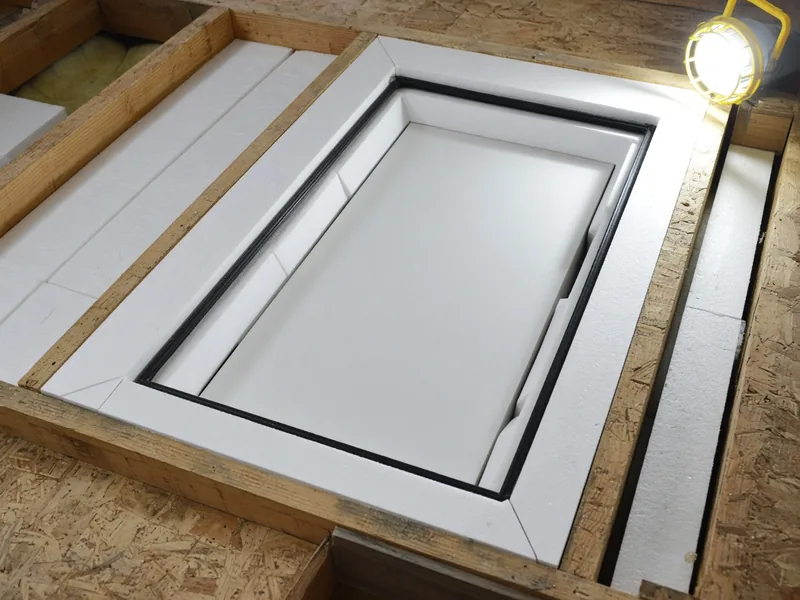
Ventilation removes moisture that reaches the attic; air sealing keeps it from getting there in the first place. Sealing gaps around light fixtures, plumbing and wiring holes, chimney chases and the attic hatch is usually the cheapest improvement in a cold-climate attic. We point out the leaks we find and work alongside insulation contractors when the job calls for it.
Related Services
Request a Roof Ventilation Check
Tell us whether you see attic frost, ice dams, or musty smells, and whether the attic is accessible. We'll check the intake, exhaust and insulation and send a written quote. Call (920) 325-1234, or send the form.
Get a Ventilation Quote
Call (920) 325-1234